Proteinase K, a broad-spectrum serine protease, plays an essential role in molecular biology, particularly in metagenomic next-generation sequencing (mNGS) applications. This enzyme is crucial for degrading contaminating proteins and nucleases, ensuring the integrity of the nucleic acids needed for sensitive and precise downstream analyses. Liquid Proteinase K formulations are widely used in applications involving DNA and RNA isolation, as well as in microbial detection and environmental genomics, making it a staple in research and clinical diagnostics.
Role of Proteinase K in mNGS
mNGS is a transformative approach for detecting a wide range of pathogens, including bacteria, viruses, and fungi, by directly sequencing their genomes from clinical samples. Proteinase K helps lyse cells, degrade unwanted proteins, and ensure high-quality nucleic acids are extracted. This step is critical for removing inhibitors that could affect PCR amplification and sequencing accuracy.
Advantages of Liquid Proteinase K in mNGS
The liquid form of Proteinase K is advantageous in mNGS workflows because it is ready-to-use, stable at various temperatures, and ensures consistent enzymatic activity. This reduces the risk of contamination or inconsistent results, which is vital for experiments requiring high precision, such as microbial pathogen detection in clinical samples.
Applications of Liquid Proteinase K
- DNA and RNA extraction: Proteinase K is used in protocols for isolating DNA and RNA from biological tissues, cells, and environmental samples. This is especially important for studies on biodiversity and pathogen identification NIH NCBI.
- Clinical diagnostics: In clinical settings, mNGS is employed to identify pathogens from human samples, such as blood, cerebrospinal fluid, and respiratory secretions. Proteinase K assists in producing high-quality nucleic acids, essential for identifying infections in immunocompromised patients CDC Metagenomics.
- Microbial detection: Proteinase K liquid formulations are crucial for detecting hard-to-culture microbes from environmental samples, contributing to ecological and evolutionary studies USGS Microbial Detection.
- Food and water safety: The enzyme is used to detect microbial contaminants in food products and water supplies, as part of broader food safety and public health surveillance efforts FDA Food Safety.
- Biodefense and environmental monitoring: mNGS, facilitated by Proteinase K, can be used for biosurveillance to detect bioterrorism agents and emerging infectious diseases, offering a powerful tool for national security DHS Biosurveillance.

Proteinase K and RNA Viruses
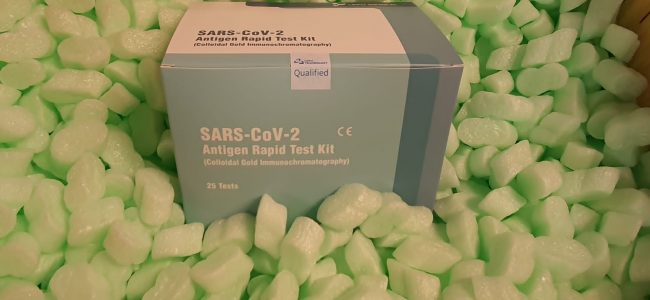
One area where liquid Proteinase K is invaluable is in RNA virus sequencing, including the study of coronaviruses. The enzyme is commonly used in workflows to extract viral RNA for sequencing CDC Coronavirus, offering insights into virus mutation rates, transmission, and epidemiology.
Enhancing Genomic Research with Proteinase K
In environmental genomics, Proteinase K plays a role in microbiome studies, enabling the extraction of DNA from diverse and complex ecosystems, ranging from soil to marine environments NOAA Microbiome.
Moreover, in human genetics, the enzyme helps break down tissue samples for sequencing in rare disease research and forensics NIH Human Genetics.

Conclusion
Proteinase K (liquid) is an indispensable tool for various molecular biology applications, especially in the context of metagenomic next-generation sequencing. Its ability to efficiently degrade proteins, release nucleic acids, and ensure sample purity makes it a cornerstone in clinical diagnostics, environmental monitoring, and genomic research. Researchers and clinicians can rely on this enzyme to enhance their mNGS workflows, leading to accurate pathogen detection and better patient outcomes.